
Vaccines
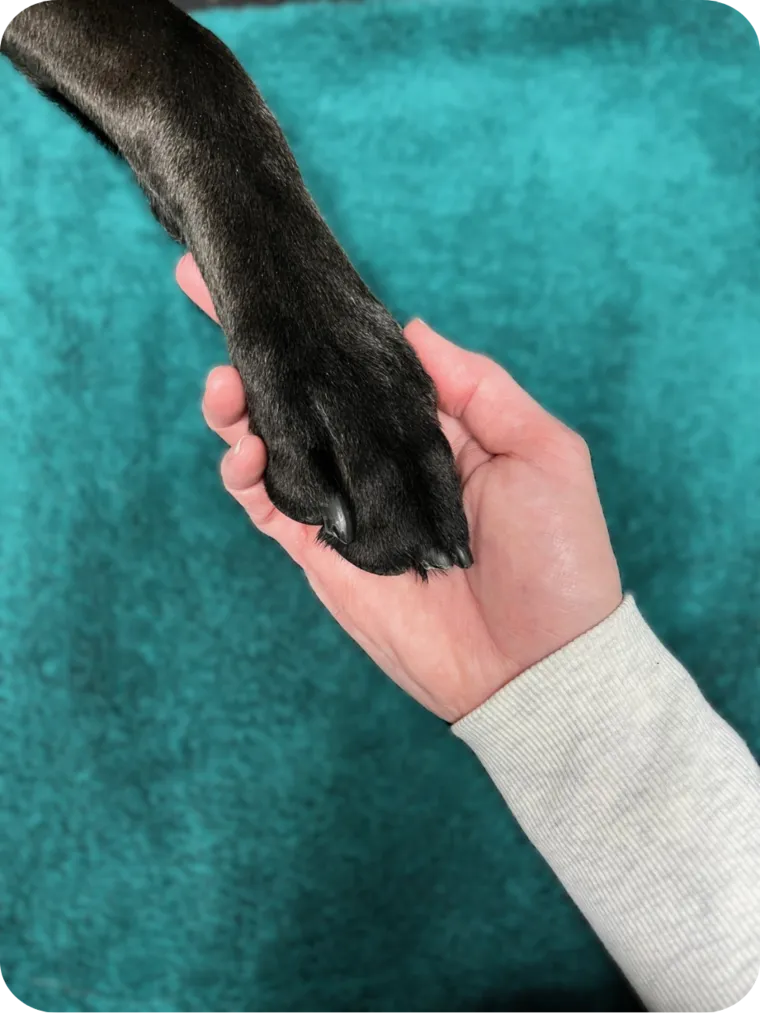
Vaccinations are the best weapon against many viral and bacterial infections, preventing serious or even deadly diseases. This includes rabies, canine parvovirus, canine and feline distemper, canine leptospirosis, feline leukemia and feline immunodeficiency virus infection. It’s important to administer vaccinations while your pets are still puppies or kittens when their young immune systems are still developing, and they need this protection to stay healthy. As your pet ages, our veterinarians will guide you through the vaccination process including a tailored plan specific to your pet's lifestyle to avoid over vaccination.
Vaccines for dogs:
- Distemper, adenovirus, parvovirus, and parainfluenza combination vaccine (3 year vaccine)
- Rabies (3 year vaccine)
- Leptospirosis
- Bordetella
- Canine influenza (given based on lifestyle)
- Lyme (given based on lifestyle)
Vaccines for cats:
- FVRCP
- Rabies
- Feline leukemia (given based on lifestyle)
Vaccines for rabbits:
- RHDV (Rabbit Hemorrhagic Disease)
Heartworm and Other Parasitic Control
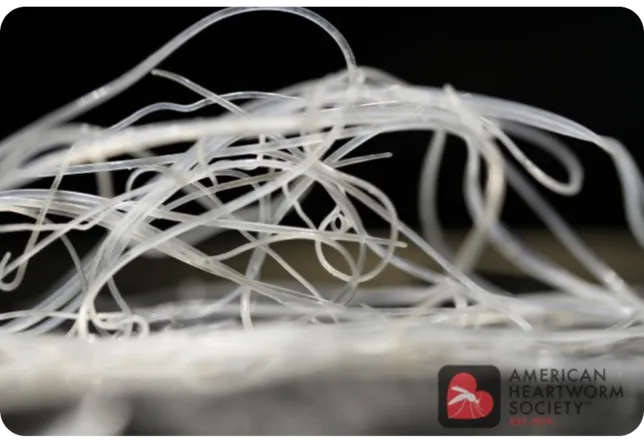
Heartworm is a serious disease transmitted by mosquitoes that can affect both dogs and cats. Dogs are a natural host for heartworms which means that the worms can grow into adulthood, mate, and produce offspring. If left untreated heartworms can cause permanent damage to the heart, lungs, and arteries and even death. Treating heartworm disease is costly and painful. The good news is that we offer multiple options available to help prevent heartworm disease in our dogs. We recommend yearly testing with an easy, in-house test that requires just a few drops of blood. Our canine heartworm tests also can detect three tick-borne diseases we see in the Chicagoland area including Lyme disease, Anaplasmosis and Ehrlichiosis. Because Chicagoland winters are so unpredictable, we recommend heartworm prevention medications for patients year-round.
Heartworm disease in cats, while transmitted by the same mosquitoes, presents very differently and thus often goes undiagnosed in cats. Instead of affecting the heart, worms are carried into the lungs where they cause an inflammatory reaction. The cat is not a natural host, and most worms do not survive to the adult stage; however, even immature worms can cause damage to cats’ lungs in the form of an illness known as Heartworm Associated Respiratory Disease. Symptoms are like those of feline asthma and include coughing and breathing difficulty. Unfortunately, the medication used to treat heartworm infections in dogs cannot be used in cats, so prevention is the only means of protecting cats from the effects of heartworm disease. The American Heartworm Society provides more in depth and detailed information about this dangerous disease.
We recommend monthly flea and tick protection, along with heartworm medications, and will customize a plan that fits your pet and your lifestyle. Additionally, we advise checking stool samples at least once a year to screen for intestinal parasites like worms, coccidia, or giardia, even if your pet isn’t showing any signs of illness. The Companion Animal Parasite Council is an independent, non-profit organization that is dedicated to increasing awareness of the threat parasites present to pets and family members.